
Green Party Leader Eyes Power Shift Following Internal Ideological Clash
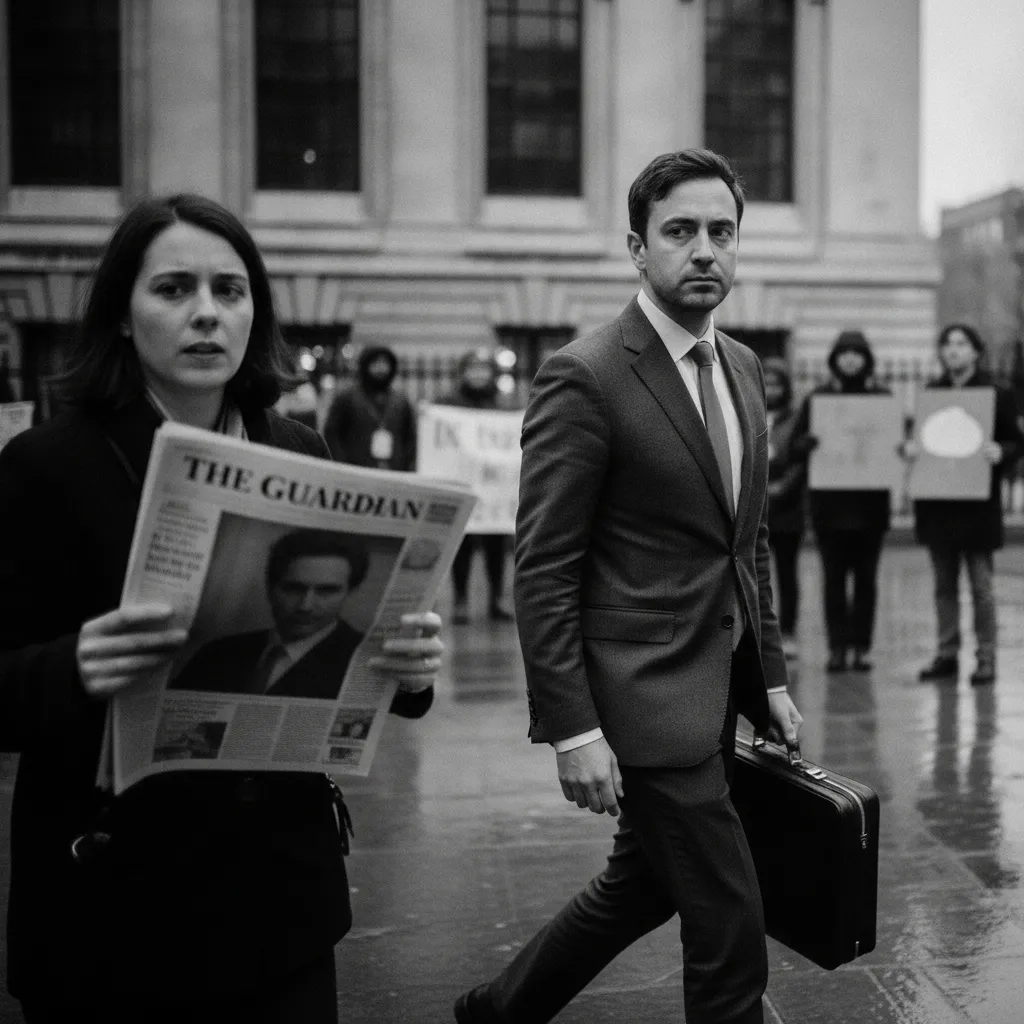
Zack Polanski is pushing for a fundamental rethink of the Green Party’s inner workings following a contentious vote that equated Zionism with racism. Writing in the Guardian after a challenging byelection loss in Holborn and St Pancras, Polanski suggested that the party’s commitment to absolute grassroots democracy may no longer be fit for purpose. He argues that as the organization grows, there needs to be a shift toward giving party leaders more authority to dictate strategic direction rather than leaving key policy decisions entirely to member votes.
The push for reform comes after a tiny fraction of the party membership managed to pass a motion declaring Zionism a form of racism and advocating for a single Palestinian state. Despite representing less than one percent of total members, these voters succeeded in passing a measure that was opposed by nearly every one of the party’s MPs and drew sharp rebukes from the European Green party. This outcome has fueled fears among senior leadership that a small group of highly motivated activists can hijack the party’s public image and official platform.
Polanski found himself in a difficult personal and political position during the crisis. As someone who grew up in a Zionist household but views the ideology as linked to Palestinian displacement, he admitted that his focus remained on electioneering rather than intervening in the internal dispute. He acknowledged that some colleagues felt abandoned by his silence during the lead-up to the vote, admitting that his priority had been fighting for electoral success which he believes is the only real way to drive systemic change.
While Polanski expressed agreement with some underlying sentiments regarding Palestine, he questioned whether it is appropriate for a political party to attempt to define complex identities or dictate the future borders of foreign states. Alongside Westminster leader Ellie Chowns, who warned against the risk of extremist capture, Polanski is now signaling that the era of pure member-led policymaking must evolve. The goal is to create a more robust system where broader goals are set by members but specific strategies are handled by leaders capable of navigating national politics.
Related Stories

Jeffries Eyes Suburban Swing Districts in Push for House Majority
House Minority Leader Hakeem Jeffries is ramping up his campaign efforts in critical swing regions, signaling a surge…
Blue Wave Ripples Through Ohio Heartlands as Early Ballots Shift
Early voting data from across Ohio suggests a surprising surge in Democratic enthusiasm, particularly in regions traditionally considered…
Clashes and Calculations Define High Stakes South Carolina Senate Showdown
The battle for South Carolina’s Senate seat reached a fever pitch during Sunday night’s lone scheduled debate, revealing…

Federal Court Shuts Down Million Dollar Administration Media Blitz
A federal judge stepped in on Sunday evening to put a stop to a series of controversial, taxpayer-funded…