
The High Cost of Growth As China Grapples With A Debt Avalanche
While headlines often focus on the fiscal anxieties surrounding the United States and Europe, a quieter but more systemic crisis is unfolding within China’s public coffers. New data suggests that Beijing is increasingly trapped by its own borrowing, with interest payments now consuming a larger slice of the national budget than ever before. Estimates from the Conference Board and the Center for Strategic and International Studies indicate that debt servicing will eat up nearly 20 percent of the central government’s general budget this year, marking a steep climb from just 12 percent a decade ago.
What makes this trend particularly alarming is the sheer velocity of the increase. Between 2013 and 2025, spending on interest payments exploded by 341 percent, far outpacing every other major expenditure category including defense and social security. This surge reflects a state led growth model that relied heavily on cheap credit to fuel expansion, leaving behind a mountain of liabilities that must now be serviced regardless of whether those investments actually paid off. While countries like Japan face similar burdens, China’s rapid ascent into high indebtedness stands in stark contrast to its slowing economic momentum.
The divergence becomes most apparent when comparing Beijing to Washington. While the American economy continues to accelerate thanks to an AI boom and resilient consumer spending, China is struggling to meet its modest GDP targets. The domestic landscape is marred by an epic property market crash and cautious consumers who are reluctant to spend. To combat this, the government directed state banks to pour funds into strategic sectors like electric vehicles and robotics, but these efforts frequently resulted in loans given to questionable borrowers who cannot repay them.
This cycle has created what economists describe as a trap where credit booms intended to save jobs end up propping up unproductive companies. According to the IMF, general government debt has soared from 41 percent of GDP in 2015 to over 100 percent today, with projections suggesting it could climb even higher by 2030. When accounting for both public and private sectors, some estimates put total indebtedness at over 300 percent of GDP. Ultimately, the very tools used to stimulate growth have become a heavy anchor on the economy, turning once promising industrial policies into expensive legacies of debt.
Related Stories

Citroen Bets Big on Budget Nostalgia With Electric 2CV Revival
Citroen is preparing to fill a glaring gap in its current lineup by reviving one of the most…

The Hidden Cost of Quick Fix Debt Solutions
With the cost of living continuing to squeeze household budgets, the Bank of England has noted a worrying…
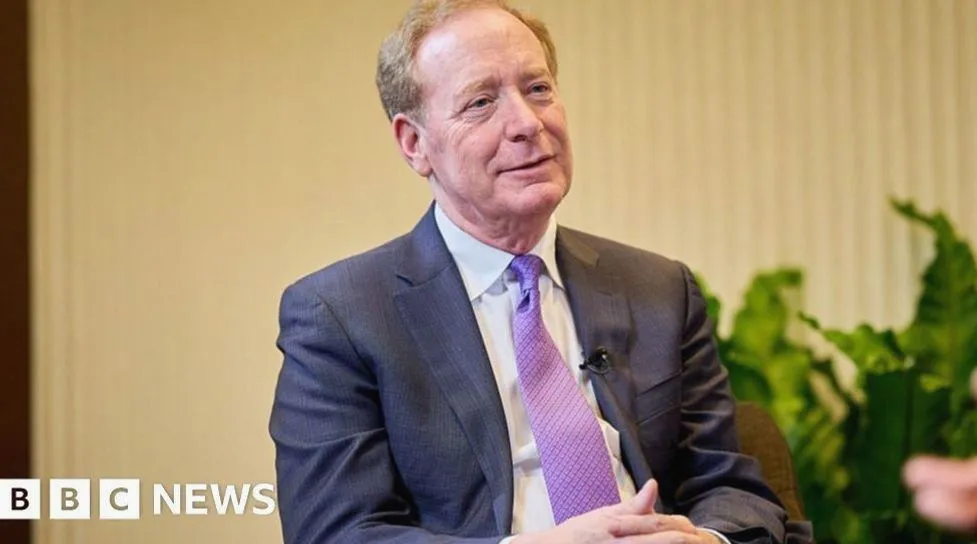
Microsoft Executive Calls For Global Guardrails To Tame Rogue AI
Microsoft President Brad Smith has issued a stark warning about the current state of artificial intelligence oversight, arguing…

Jeffries Eyes Suburban Swing Districts in Push for House Majority
House Minority Leader Hakeem Jeffries is ramping up his campaign efforts in critical swing regions, signaling a surge…