
TSMC stock eyes 52-week high: here’s why Citi hiked its target by 32%
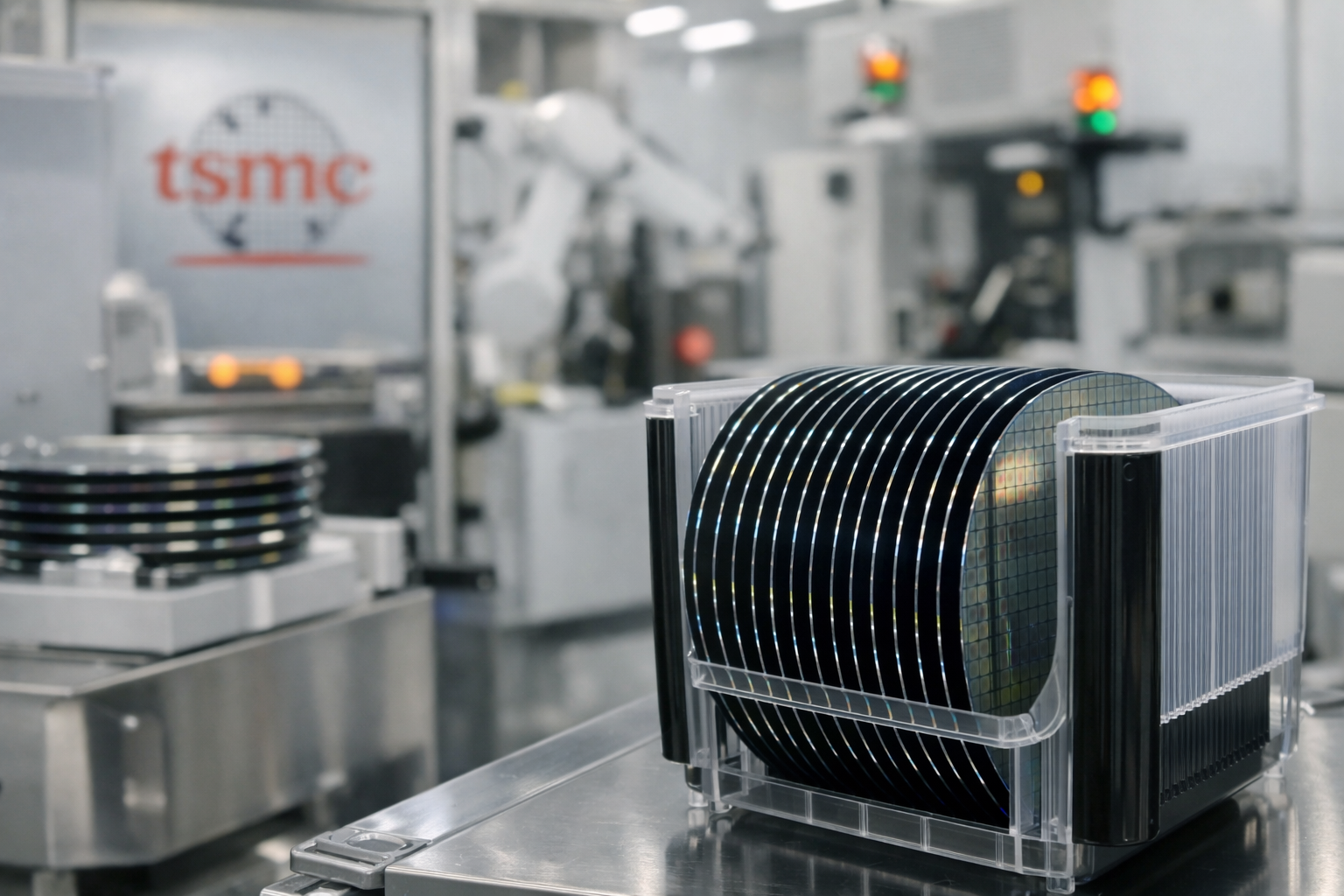
TSMC stock is hovering near its 52-week high as analysts grow more confident that the world’s most important contract chipmaker still has room to run.
Taiwan-listed shares recently traded around NT$2,445-NT$2,465, close to their 52-week high of NT$2,535.
The latest push comes after Citi Research raised its price target to NT$3,800 from NT$2,875 and reiterated a Buy rating, citing accelerating AI chip demand ahead of TSMC’s July 16 earnings report.
TSMC stock: Why Citi is turning even more bullish
Citi’s argument is no longer just that TSMC is riding the AI chip boom, but the boom is becoming broader, more durable and harder for rivals to match.
The brokerage said demand for TSMC’s advanced process technologies is spreading beyond AI graphics processors into custom AI chips, cloud TPUs, networking silicon, optical interconnects and CPUs.
That matters because it makes the AI cycle less dependent on one product line, one customer or one phase of data-centre spending.
Citi also expects TSMC to raise its 2026 revenue growth outlook and long-term growth targets when it reports quarterly earnings later this month.
The stronger visibility into AI-related demand supports a more optimistic earnings view ahead of the company’s July 16 analyst meeting.
The latest note also puts more weight on pricing power. Citi expects wafer prices to keep rising into next year as demand strengthens for TSMC’s N2 and N3 process technologies.
That should help support margins, even as depreciation costs rise because of heavy investment in new capacity.
The bigger point is that TSMC’s advantage is increasingly about scale, not just technology.
Citi said the company’s combined leading-edge node capacity could approach 350,000 to 400,000 wafers per month by the end of 2028, supporting higher utilisation and giving customers more confidence that TSMC can meet the next wave of AI demand.
The AI packaging angle
Advanced packaging is becoming a bigger part of TSMC’s bull case as AI chips become more complex and harder to scale.
For customers building AI accelerators, making the processor is only one part of the challenge.
These chips also need to be packaged with high-bandwidth memory and other components in a way that allows them to move huge amounts of data quickly and efficiently.
That makes packaging capacity almost as important as wafer capacity.
Citi’s latest note puts that shift at the centre of TSMC’s investment case.
The brokerage said TSMC’s advantage is increasingly coming from the combination of leading-edge manufacturing scale and advanced packaging leadership, rather than process technology alone.
That is important because AI demand is no longer limited to GPUs.
Citi expects the cycle to keep broadening into custom AI chips, cloud TPUs, networking silicon, optical interconnects and CPUs.
Each of those areas increases demand not just for advanced nodes such as N2 and N3, but also for the packaging technologies needed to turn those chips into usable AI systems.
TSMC is therefore spending heavily to stay ahead of the bottleneck.
UBS analyst Sharon Lin also lifted the firm’s TSMC target to NT$3,400 from NT$3,000 and raised capex forecasts for 2026 through 2028, arguing that higher investment commitments should help ease customer concerns about limited supply and second-source diversification.
That captures why TSMC’s valuation story is changing. Investors are no longer looking only at how many advanced chips the company can manufacture.
They are also asking whether TSMC can provide the packaging scale, capacity visibility and long-term supply assurance that AI customers need before committing to the next wave of spending.
The post TSMC stock eyes 52-week high: here's why Citi hiked its target by 32% appeared first on Invezz